The 5 Best C-Section Recovery Products of 2026, According to real Parents
Recovering from a c-section means protecting a fresh abdominal incision while still caring for a newborn, and the right gear makes a real difference. After working with hundreds of postpartum moms, these five products come up again and again as the ones that actually helped. Below is why each one earns its spot, plus how to protect your core and pelvic floor while you heal.
This post contains affiliate links. As an Amazon Associate I earn from qualifying purchases, at no extra cost to you.
Our Top Picks
Best for Constipation Relief: Colace
Best Postpartum Underwear: Frida Mom C-Section Recovery Shorts
Best for Night feeds: Halo Bassinest
Best for Scar Healing: Silicone Scar Sheets
Best for Sitting Up Comfortably: Wedge Pillow
Why Trust These Picks
I'm Mayra, a prenatal and postpartum yoga instructor and the founder of Ima Yoga Method, where I help moms rebuild core and pelvic floor strength after birth, including after a c-section. These picks come from what I recommend to my own students and community, combined with what real moms tell me actually got them through the first six weeks.
Best for Constipation Relief: Colace
Almost nobody warns you about this part, but constipation after a c-section is extremely common, thanks to pain medication, reduced movement, and a healing abdomen that makes straining feel scary. Colace is a stool softener that many providers recommend starting right after surgery, before things get uncomfortable rather than after.
Straining on the toilet puts real pressure on both your incision and your pelvic floor, so staying ahead of this one is a bigger deal than it sounds.
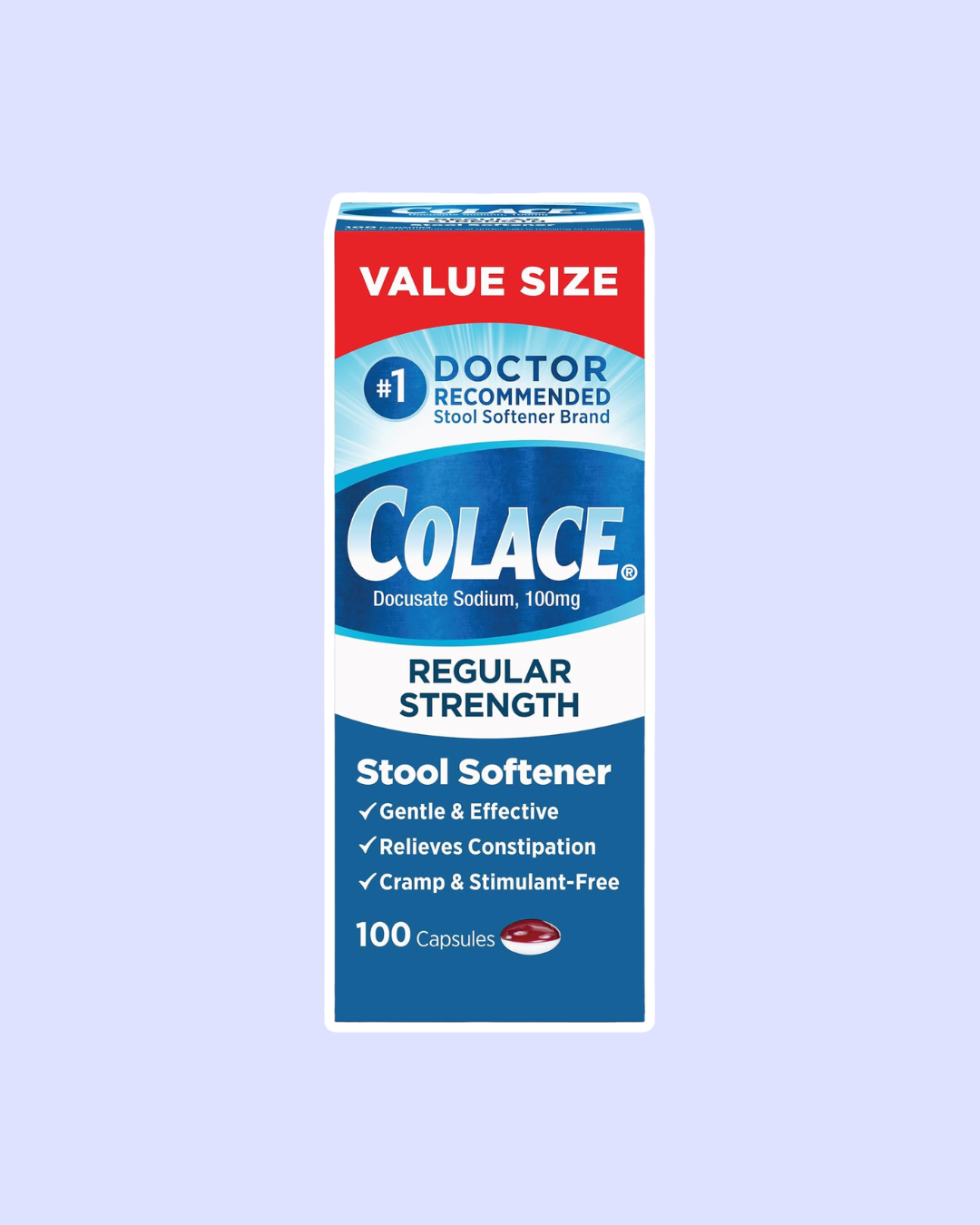
"colace is a non-negotiable for me." - jen, 2x c-section mom
Loved for:
Gentle, non-stimulant stool softener
Widely recommended by OBs after surgery
Inexpensive and easy to keep on hand
Keep in mind:
Always confirm dosing and timing with your provider, especially if you're breastfeeding or on other medications
Works best started early, not after constipation sets in
Key details: Docusate sodium stool softener. (Confirm current formulation and dosing on the listing and with your provider.)
Best Postpartum Underwear: Frida Mom C-Section Recovery Shorts
These are built specifically to sit above a c-section incision instead of pressing on it, which is the whole ballgame in the first few weeks. Regular underwear waistbands can rub directly on a healing scar, and that alone is reason enough to have a few pairs of these on hand before you deliver.
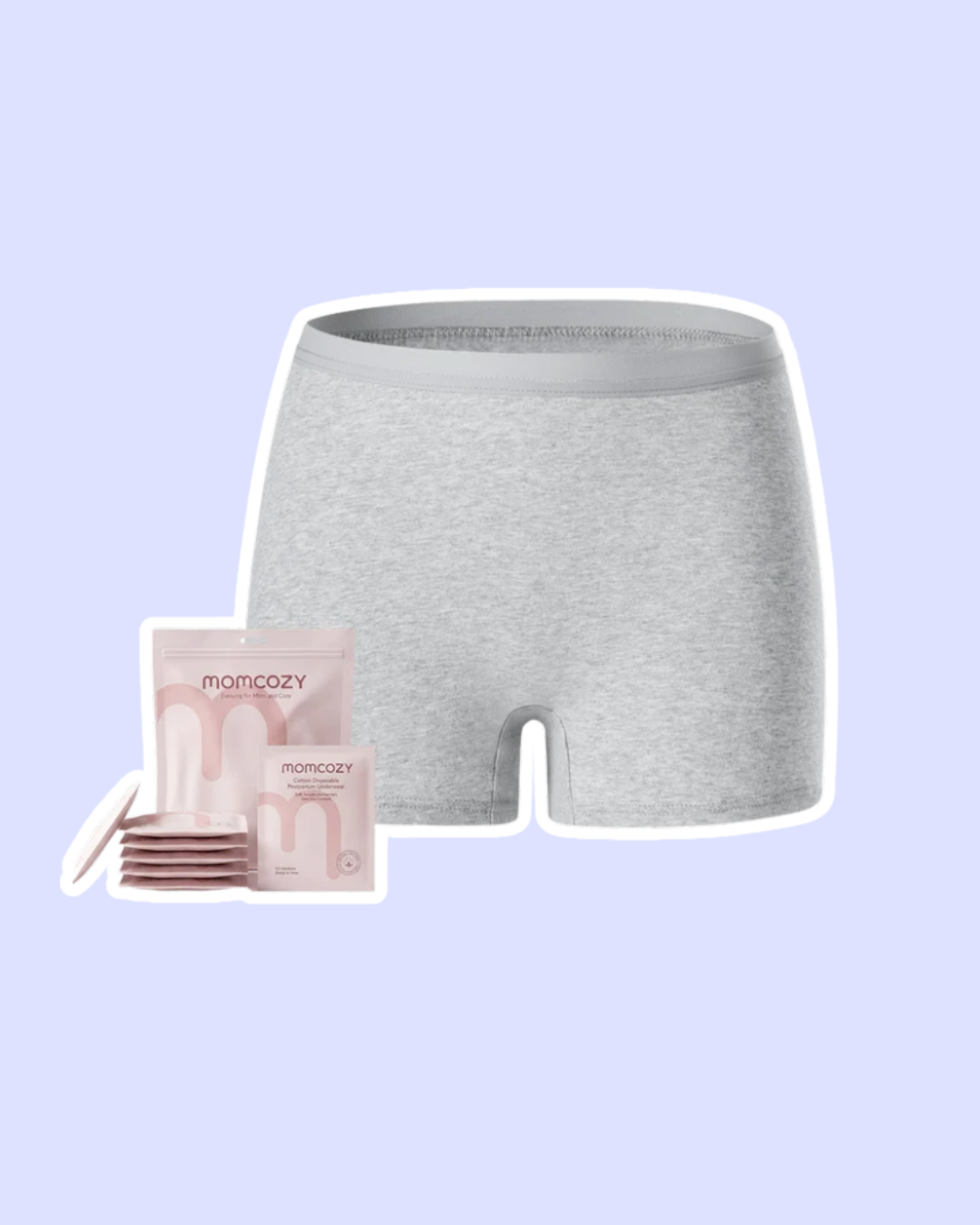
“Not gonna lie, they’re kinda cute” - Polly, 1X C-section mom
Loved for:
High waist designed to sit above the incision
Soft, breathable fabric for sensitive healing skin
Doubles as gentle, non-restrictive compression
Keep in mind:
Sizing runs differently than regular underwear, so check the size chart
Some moms prefer to size up for the first two weeks
Key details: High-waisted design made for cesarean recovery. (Verify current sizing and material on the listing.)
Best Bassinet for C-Section Recovery: Halo Bassinest
After a c-section, you're not supposed to be lifting your baby up and over a tall bassinet rail, and you shouldn't be doing repeated deep bends to reach them either. The Halo swivels right up next to your bed and has a side that lowers, so you can slide your baby in and out without engaging your core or your incision.
This is the product that made the biggest difference for many of my c-section students in that first week home.
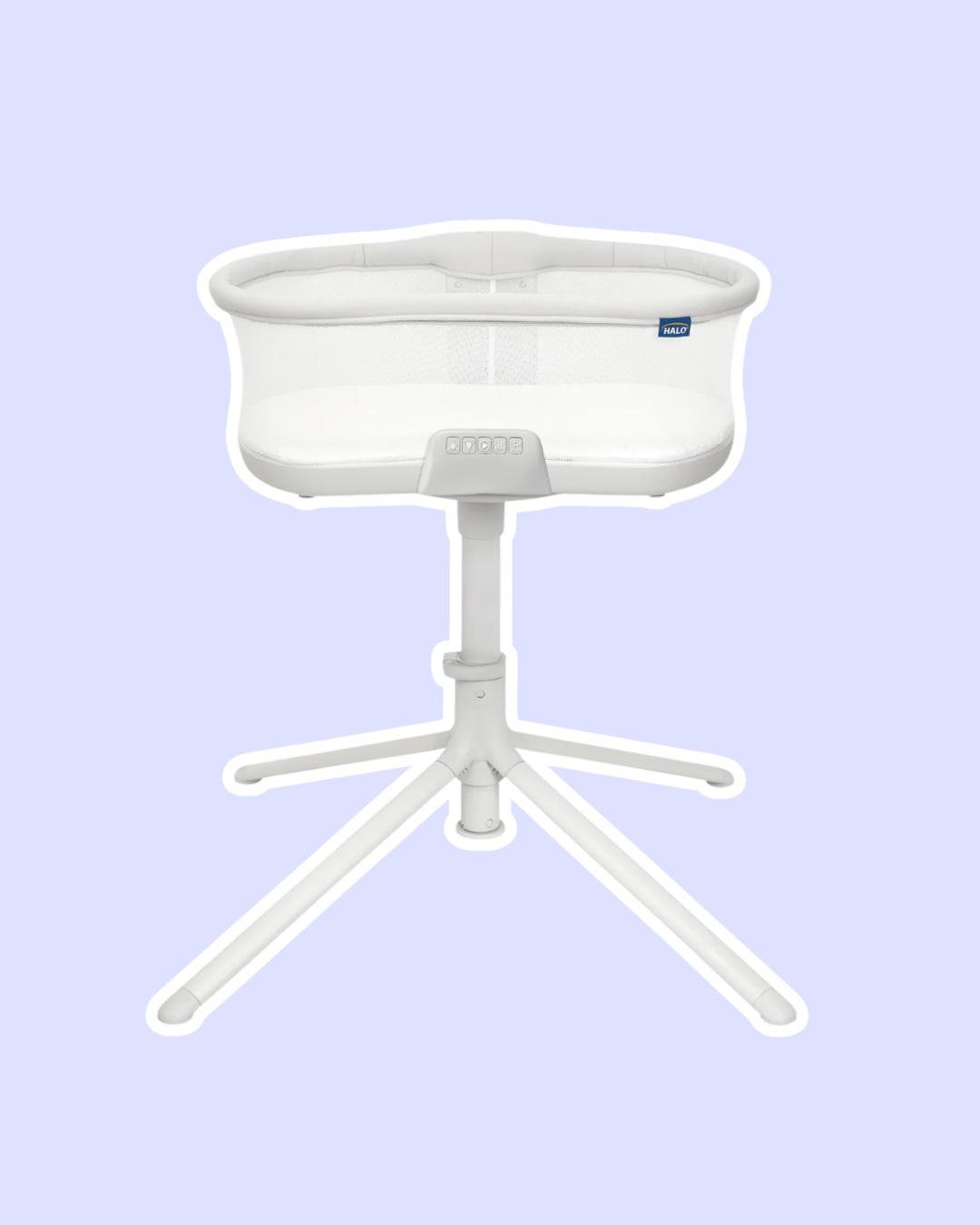
“worth every penny!” - Paige, 1x C-section parent
Loved for:
Swivels bedside so you barely have to move to reach baby
Lowering side wall avoids lifting over a rail
Saves your incision from strain during nighttime feeds
Keep in mind:
Bulkier and pricier than a basic bassinet
Takes up meaningful bedroom space
Key details: Bedside swivel bassinet with adjustable height and a lowering side panel. (Verify current weight limit and features on the listing.)
Best for Scar Healing: Silicone Scar Sheets
Once your incision has fully closed (always confirm with your provider first), silicone sheets are one of the most studied options for helping a scar flatten and fade over time. They're an easy thing to wear under postpartum underwear during the day.
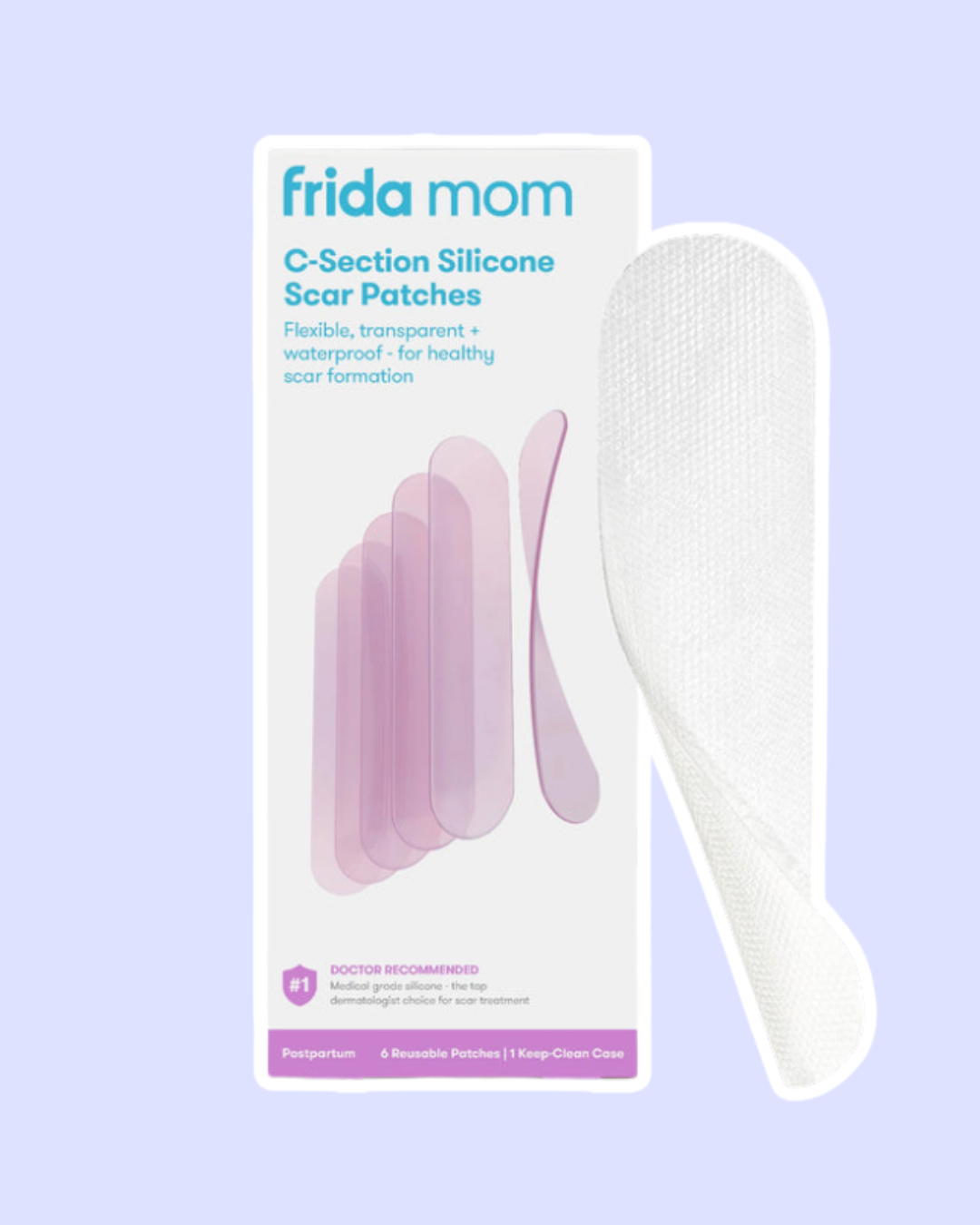
“Skincare, but like for your belly” - molly, 1x c-section mom
Loved for:
Reusable and easy to wear discreetly under clothing
Backed by real research on scar appearance
Low effort, mostly just wear and forget
Keep in mind:
Only for use once your incision is fully closed and cleared by your provider
Takes weeks of consistent wear to see a difference
Key details: Reusable silicone sheets, typically worn 12+ hours a day. (Confirm wear-time recommendations on the listing and with your provider.)
Best for Sitting Up Comfortably: Wedge Pillow
Going from lying flat to sitting up uses your abdominal muscles more than people realize, and that's exactly the area you're trying to protect after a c-section. A wedge pillow props your upper body up in bed so you can rest, feed, and sleep semi-upright without having to crunch your way up every time.
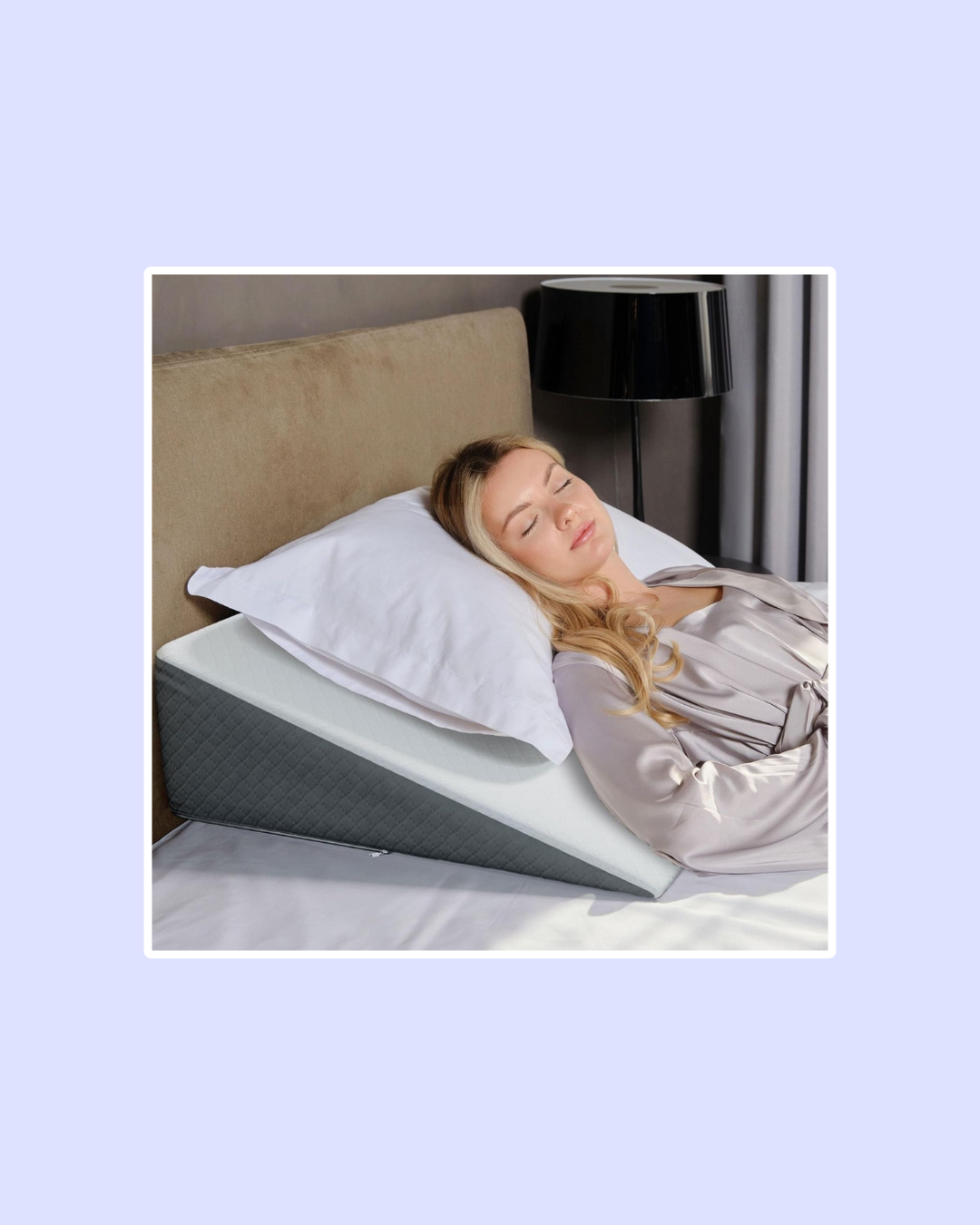
“an absolute essential” - wendy, 3x section mom
Loved for:
Reduces how often you need to engage your core to reposition
Comfortable for propped-up feeding sessions
Doubles as elevation for swelling or reflux-prone newborns nearby
Keep in mind:
Firmness varies a lot between brands, so check reviews for your preference
Takes up space if you're tight on room in a hospital bed or bassinet setup
Key details: Foam wedge for upper-body elevation. (Verify current angle and dimensions on the listing.)
How to Choose What You Actually Need
How many weeks out you are. Colace and incision-friendly underwear matter from day one. Scar sheets come later, once you're cleared
Your living setup. A swivel bassinet earns its space if your bedroom allows it. If space is tight, a bedside attachment style is worth comparing.
Who's helping you. If you have a lot of support in the first two weeks, some of these matter less. If you're managing mostly solo, anything that reduces how often you lift, bend, or crunch is worth prioritizing.
Protecting Your Core and Pelvic Floor After a C-Section
A c-section is still major abdominal surgery, even though there's no vaginal delivery involved, and your core and pelvic floor still need deliberate rehab. The muscles around your incision were cut through or separated, and it's common to feel disconnected from your midsection for weeks or months afterward.
The biggest thing I tell my c-section students: avoid crunching up from lying down, log-roll to your side first and push up with your arms instead. Support your incision with a hand or pillow when you cough, laugh, or sneeze. And please don't rush back into core work just because the outside scar looks healed. The deeper muscle and fascia take longer, and rebuilding that connection safely is exactly what my postpartum recovery course is built around.
FAQ
What products actually help with c-section recovery?
A stool softener like Colace, high-waisted underwear that sits above the incision, and anything that reduces lifting and bending, like a bedside bassinet or a wedge pillow, make the biggest practical difference in the first few weeks.
When can I start using silicone scar sheets after a c-section?
Only once your incision has fully closed and your provider has cleared you, which is typically a few weeks postpartum. Using them too early on unhealed skin isn't recommended.
Is it safe to do core exercises after a c-section?
Not right away, and not in the same way as before. Deep core and pelvic floor rehab should start gently and be guided, since the abdominal muscles and fascia were directly affected by surgery. A qualified postpartum program can help you rebuild safely instead of guessing.
How long does c-section recovery really take?
Most people feel noticeably better by six to eight weeks, but full core and fascia healing can take several months. Healing isn't linear, and it's normal to have good days and setbacks.