The 5 Best Baby Carriers of 2026, According to New Moms
After polling the moms in the our community, the Ergobaby Omni is the best baby carrier for most families. Below are all five favorites, why moms love them, and what nobody tells you about babywearing and your pelvic floor.
This post contains affiliate links. As an Amazon Associate I earn from qualifying purchases, at no extra cost to you.
Our Top Picks
Best Overall:Ergobaby Omni
Best for Newborns:Ergobaby Embrace
Best Budget Pick:Infantino Flip 4-in-1
Best Wrap:Solly Baby Wrap
Easiest to Use:WildBird Aerial
Why Trust These Picks
I'm Mayra, a prenatal and postpartum yoga instructor and the founder of Ima Yoga Method, where I help moms rebuild core and pelvic floor strength after birth. These picks come from polls and DMs with the moms in my community, plus my own experience wearing babies through recovery. I care as much about what a carrier does to your body as what it does for your baby.
Best Overall: Ergobaby Omni
If you only buy one carrier, this is the one my community recommends again and again. It works from the newborn stage through toddlerhood with no separate insert, and it offers front, hip, and back carry positions, so it grows with your baby instead of ending up in a donation pile.
From a body perspective, this is also my favorite structured carrier. The wide padded waist belt transfers weight to your hips instead of hanging it off your shoulders, which means less strain on your upper back and less downward pressure through your core.
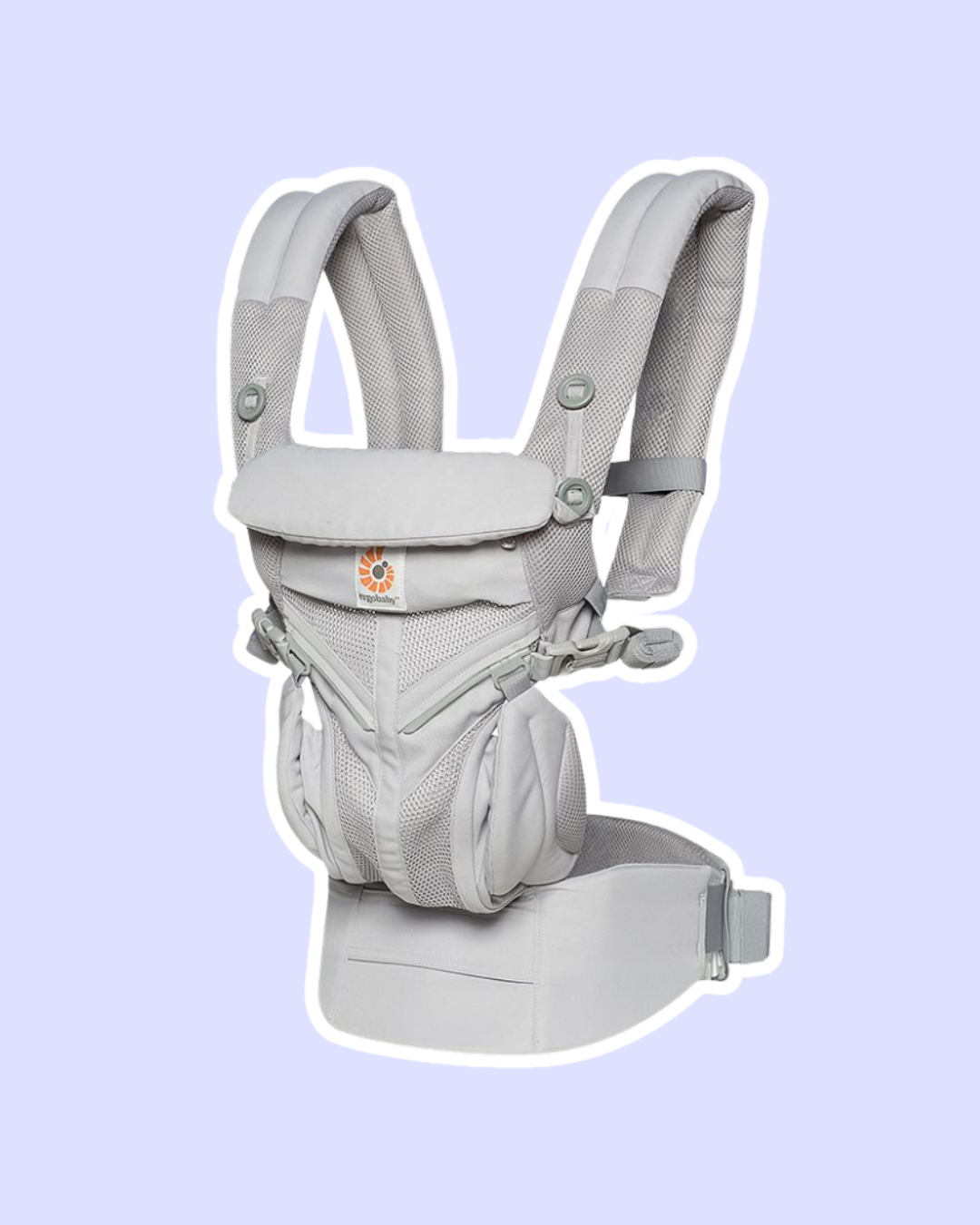
"I wore mine every single day of the fourth trimester." - Sarah, mom of two
Loved for:
Works newborn to toddler with no infant insert
Lumbar support and weight distribution that protect your back
Multiple carry positions, including forward-facing
Keep in mind:
Bulkier than a wrap, and warm in summer (the mesh version helps)
More buckles and straps to learn at first
Key details: Fits babies from about 7 to 45 lbs; machine washable. (Verify specs on the current listing.)
Best for Newborns: Ergobaby Embrace
The Embrace is what I recommend for the fourth trimester specifically. It has the cozy, stretchy feel of a wrap but with a simple buckle, so you get newborn snuggles without a 10-minute wrapping tutorial while your baby cries on the changing table.
Moms in my community consistently call this the carrier they reach for in the blur of the first three months.
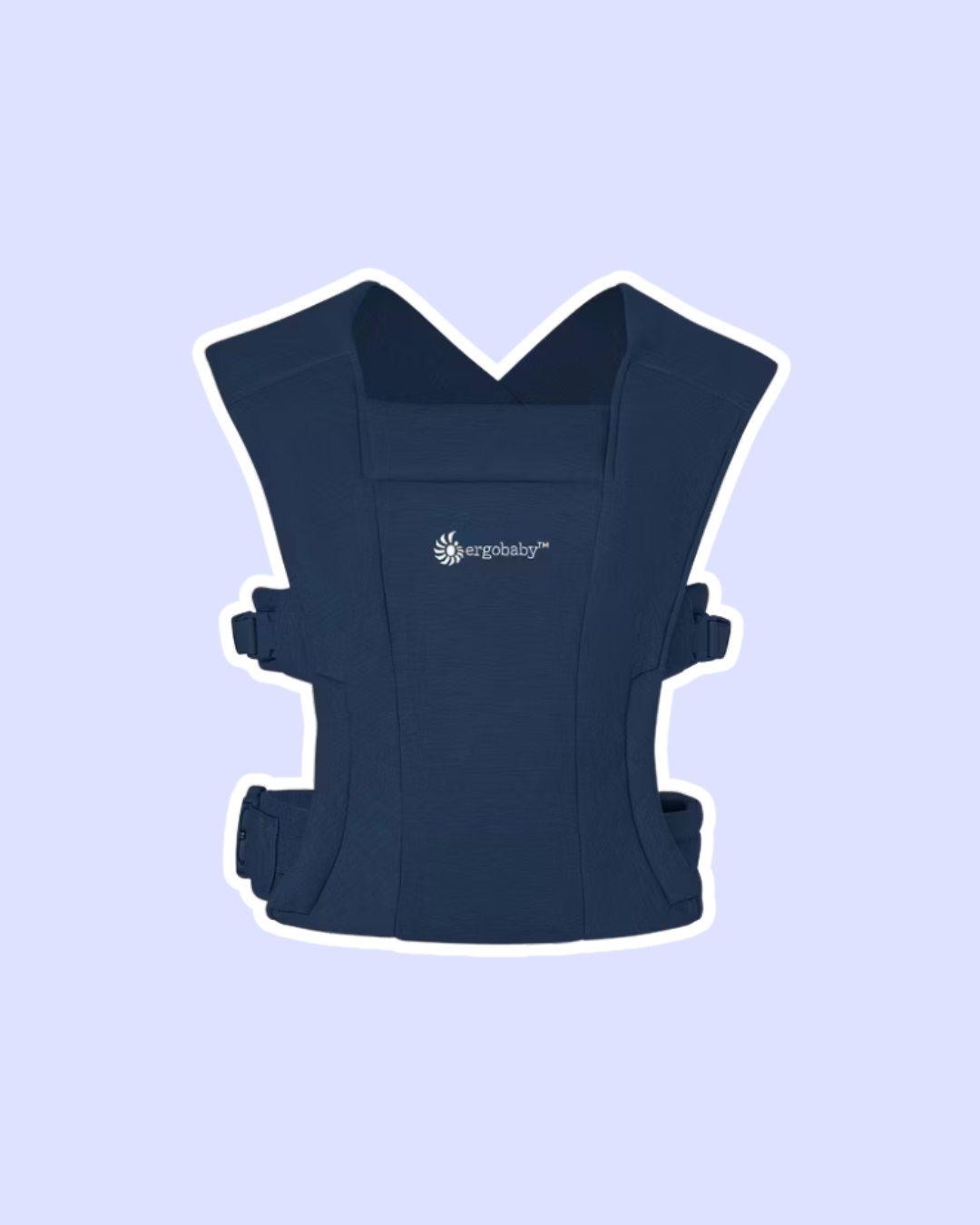
“Soooo nice for those early days.” - Kayleigh, mom of 1
Loved for:
Soft and stretchy, ideal for tiny newborns
Much easier learning curve than a wrap
Lightweight and packable
Keep in mind:
Babies outgrow it faster than a structured carrier
Less back support for long walks
Key details: Designed for the newborn stage; machine washable. (Verify specs on the current listing.)
Best Budget Pick: Infantino Flip 4-in-1
Babywearing does not have to be an investment. The Infantino Flip gives you four carry positions at a fraction of the price of premium carriers, and for many families it is all they ever need.
The tradeoff is a thinner waist belt, which means more of your baby's weight rides on your shoulders. If you have back pain or you're early in your postpartum recovery, save this one for shorter stretches.
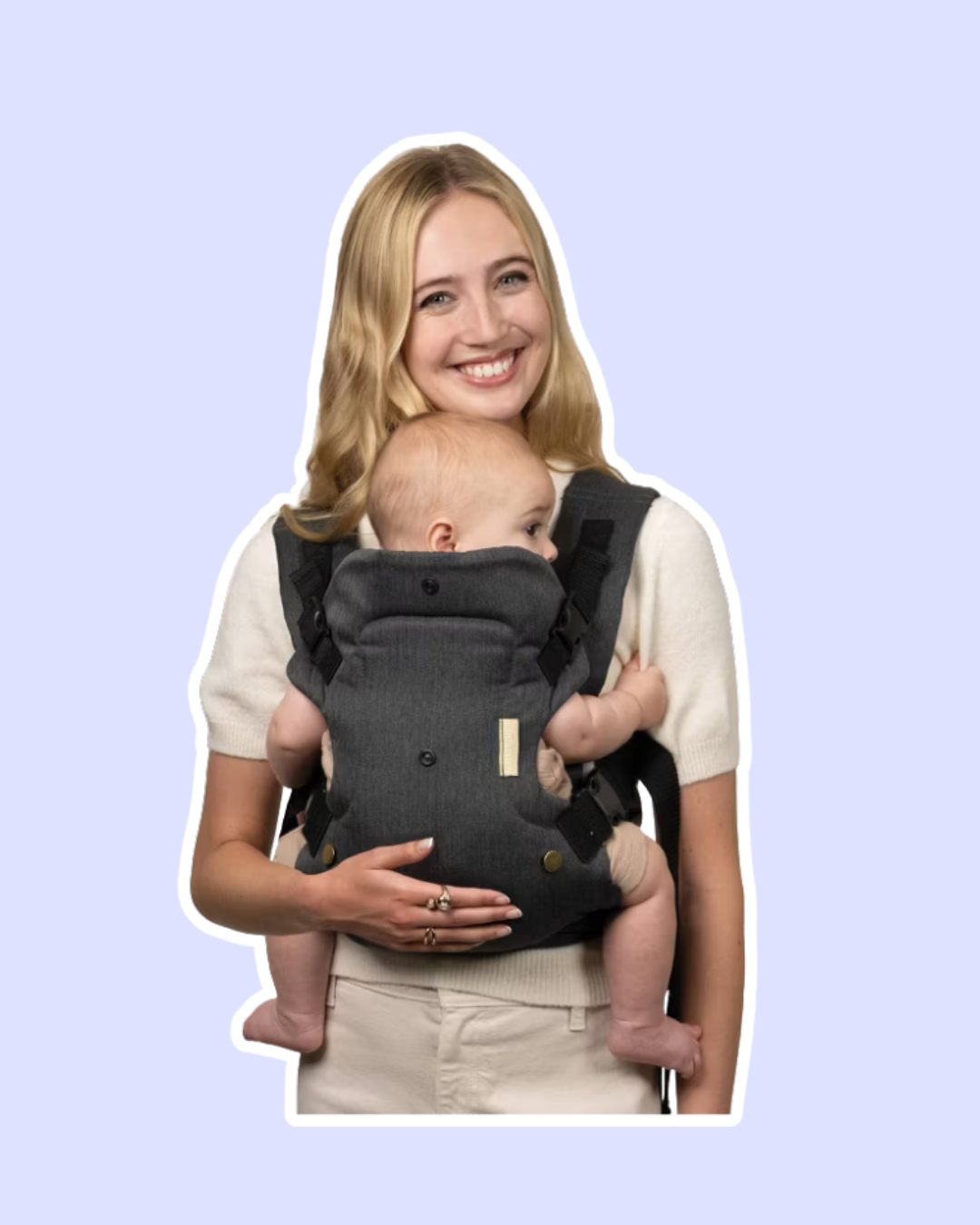
“I am not breaking the bank on a carrier my baby might not like.” - Kristin
Loved for:
Very affordable way to try babywearing
Four carry positions, including forward-facing
Simple, no-frills design
Keep in mind:
Less padding and lumbar support than premium carriers
Best for shorter wearing sessions
Key details: Fits babies from about 8 to 32 lbs. (Verify specs on the current listing.)
Best Wrap: Solly Baby Wrap
There is nothing like a wrap for skin-to-skin closeness, and the Solly is the wrap my community loves most. The buttery TENCEL fabric is soft, breathable, and holds babies snug against your chest, which can calm a fussy newborn like magic.
Wraps also distribute weight across your whole torso rather than two shoulder straps, which many moms find gentler on a healing body. Give yourself grace on the learning curve, and practice over a bed the first few times.
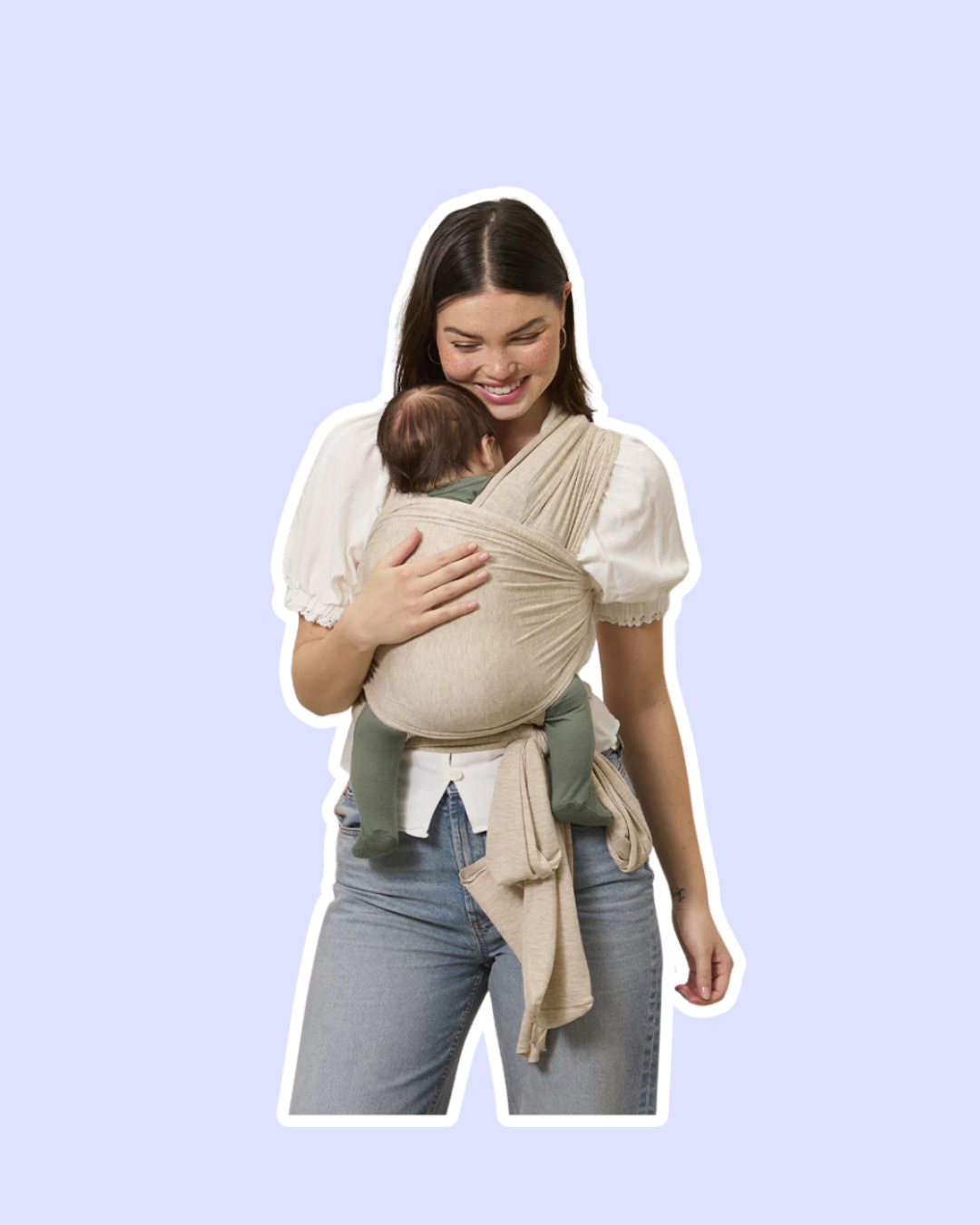
“love having my baby close to me all day. so cozy!!!” - Amy, newborn mom
Loved for:
Unbeatable newborn closeness and calming effect
Soft, breathable fabric that distributes weight evenly
No buckles digging anywhere
Keep in mind:
Real learning curve for wrapping
Best for the first several months, not toddlerhood
Key details: Machine washable TENCEL fabric. (Verify specs on the current listing.)
Easiest to Use: WildBird Aerial
The Aerial is the carrier moms describe as "the one I actually grab." It blends the softness of a wrap with the security of a structured carrier, goes on quickly, and is genuinely beautiful, which matters when it lives on your body half the day.
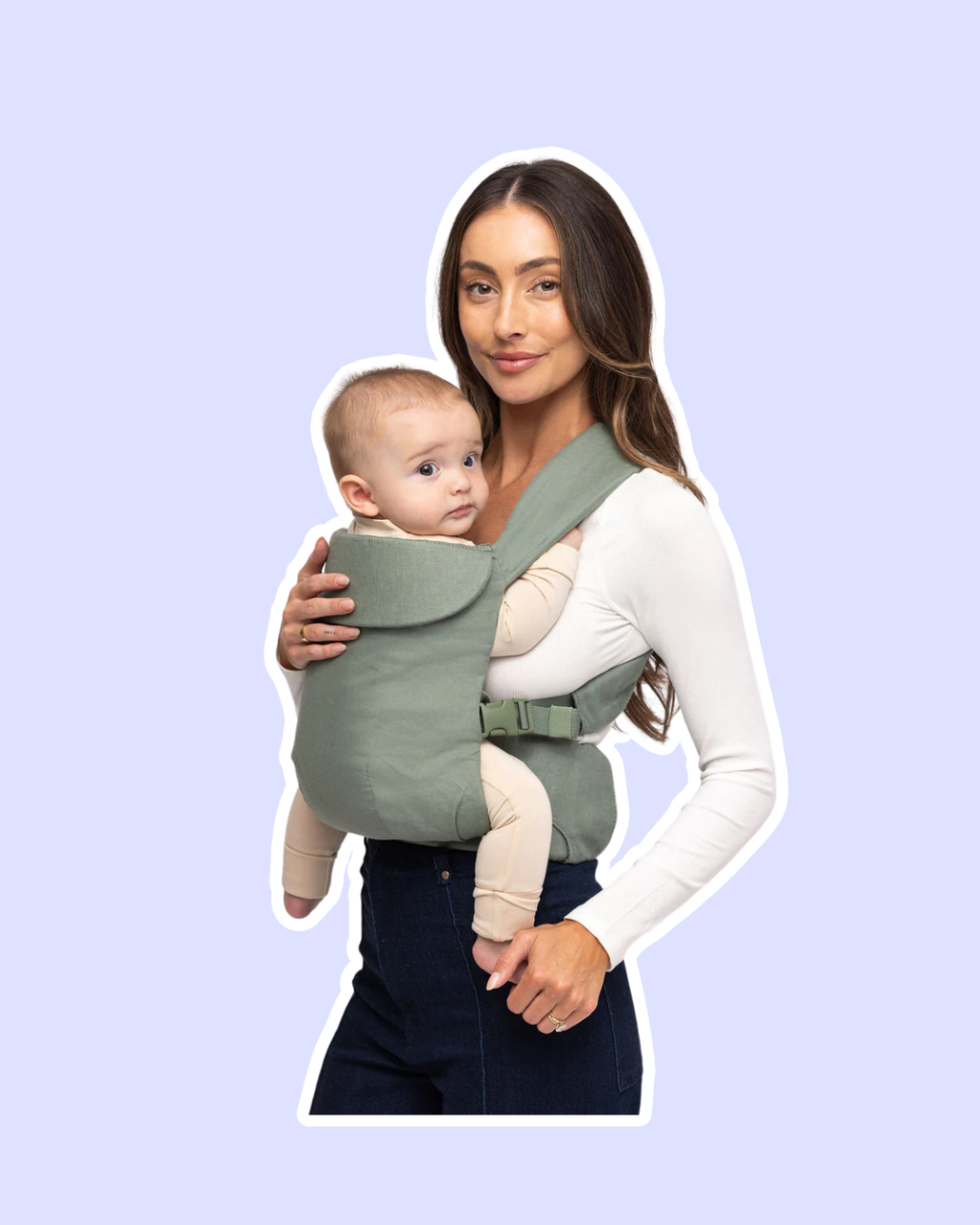
“Saw this online and immediately added to cart.” - Emily, mom of 2
Loved for:
Fast to put on solo, no wrapping required
Wrap-soft fabric with real support
Styles you will actually want to wear
Keep in mind:
Sized to the wearer, so sharing between partners is harder
Fewer carry positions than the Omni
Key details: Comes in wearer sizes XS to XL. (Verify specs on the current listing.)
How to Choose a Baby Carrier
Your recovery stage. In the early weeks, softness and closeness matter most (Embrace, Solly). Once you're walking longer distances, structure and weight distribution matter more (Omni, Aerial).
Your body. If you have back pain, diastasis recti, or pelvic floor symptoms, prioritize a carrier with a wide, supportive waist belt and keep sessions short at first.
Your lifestyle. Errands and travel favor quick-on carriers. Long contact naps favor wraps.
Who else will wear it. If a partner will share it, choose an adjustable structured carrier rather than a sized one.
Babywearing and Your Pelvic Floor
Here is what I tell my students: babywearing is wonderful, and it is also a real load on a recovering core. Carrying weight on your front increases downward pressure on the pelvic floor, especially if you compensate by leaning back and tucking your pelvis.
Keep your ribs stacked over your hips, exhale as you lift or lower your baby, and build up wearing time gradually in the early months. If you notice heaviness, leaking, or pelvic pressure while babywearing, that is your body asking for support, not a normal thing to push through. My [postpartum course]([LINK TO YOUR COURSE]) walks you through rebuilding that foundation step by step.
FAQ
What is the best baby carrier for new moms?
The Ergobaby Omni is the best all-around baby carrier for most new moms because it works from newborn to toddler and distributes weight in a back-friendly way. For the newborn months specifically, the Ergobaby Embrace or Solly Baby Wrap are easier to love.
When can I start babywearing after birth?
Many moms start gentle babywearing within the first weeks after an uncomplicated vaginal birth, and later after a cesarean. Always follow your provider's guidance, start with short sessions, and let symptoms like pain or pelvic heaviness be your signal to scale back.
Is babywearing safe for my pelvic floor?
Yes, with smart habits. Choose a carrier with a supportive waist belt, keep your ribs stacked over your pelvis, and increase wearing time gradually. Leaking, heaviness, or pressure are signs your pelvic floor needs more support, and targeted exercises can help.
Do I really need more than one carrier?
Many families are happy with one versatile structured carrier. A wrap plus a structured carrier is a lovely combination if your budget allows, covering both snuggly newborn days and toddler hikes.
Wearing your baby should feel good for both of you. If you want to rebuild the strength that makes babywearing comfortable, my prenatal and postpartum courses were made for exactly this season. And come say hi on Instagram, where I share favorites like these every week. 💛